Federal Reserve Holds Rates Steady as Markets Navigate Inflation and Policy Uncertainty
Posted on May 4, 2026
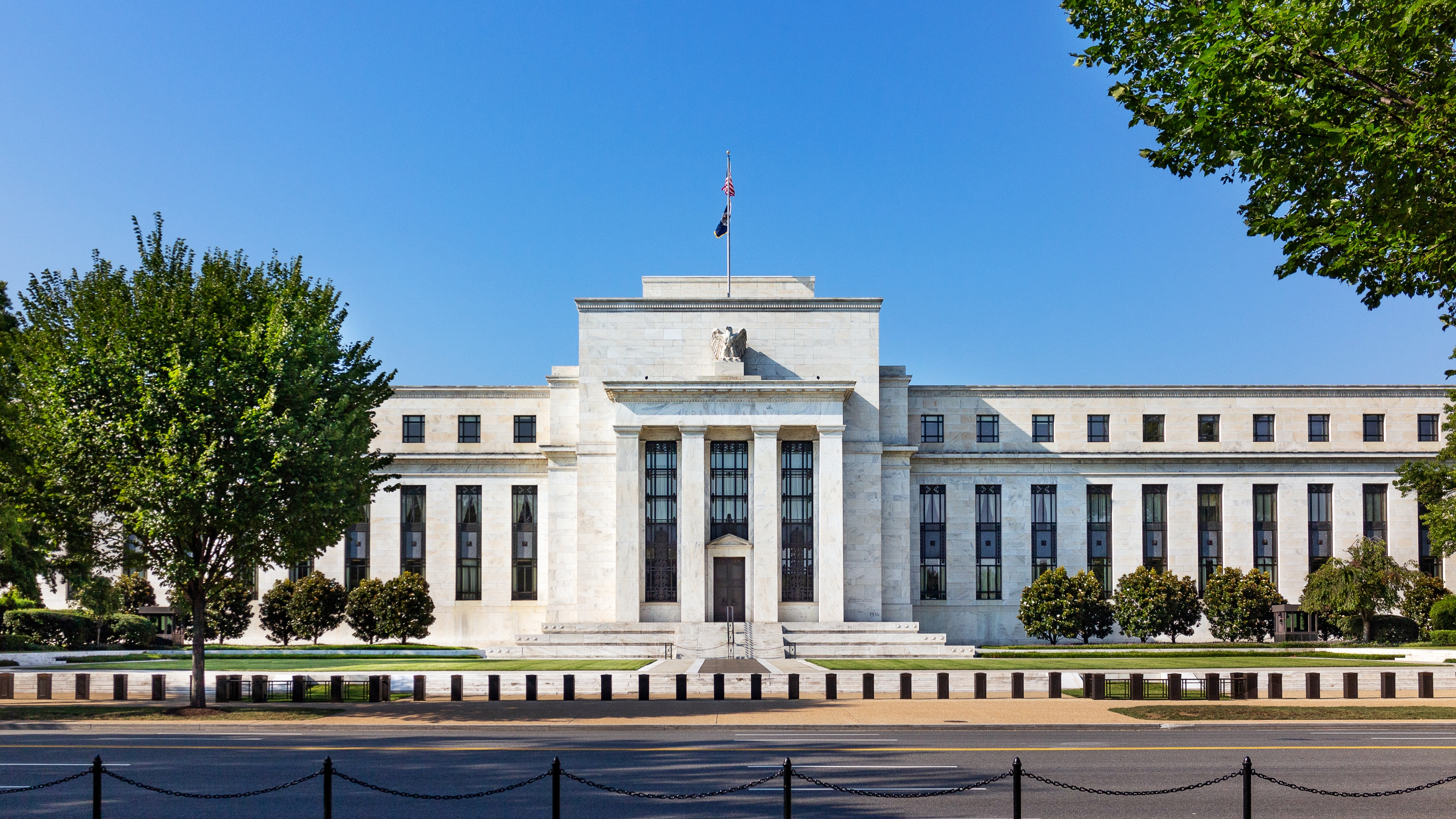
All eyes are squarely focused on the future of The Federal Reserve under a potential Kevin Warsh regime. A Warsh-led Fed will be tested, including resurgent inflation metrics and a global energy crisis, all while navigating a protracted conflict in the Middle East. His leadership will be defined early on by his ability to balance a strong U.S. economy and keeping the labor market intact despite a concerning rise in announced corporate layoffs.
At Florida Trust – we anticipate The Fed to be on pause under further notice – we also are closely monitoring every development out of the Fed, yet we remain constructive on Warsh’s prospective leadership. We are viewing the recent volatility in the bond market as a strategic opportunity to lock in higher yields for our clients with fixed income assets.
For the third consecutive meeting The Federal Reserve (Fed) has decided to hold the federal funds rate unchanged at 3.50% to 3.75% following their April meeting. The decision reflects a combination of a strong U.S. economy alongside elevated inflation pressures driven by the ongoing conflict in the Middle East. The decision included four notable dissents. Three bank presidents: Beth Hammack, Neel Kashkari, and Lorie Logan, backed the decision to hold rates steady but wanted to remove the current easing bias. Conversely, Stephen Miran (President Trump’s most recent confirmed appointee), voted in favor of a reduction of 0.25%, citing policy remains too restrictive.
In a highly anticipated move, Fed Chair Jerome Powell has decided to break precedent and remain on the Board of Governors “for a period of time” after his term expires on May 15th. He intends to stay until the Department of Justice’s probe is fully concluded. Powell has stated he will maintain a “low profile” and will not interfere with Kevin Warsh’s leadership. Fed Chair Nominee Kevin Warsh is set to inherit the most divided Fed since 1992.
Since July 2024, for 14 consecutive meetings, The Fed has characterized inflation as “somewhat elevated”, but that has officially changed to “is elevated”. This shift is primarily due to the recent surge in global energy prices, with West Texas Intermediate (WTI) has risen from $68 a barrel to $101; and brent crude from $72 to $108. While developments in the Middle East contribute to high levels of uncertainty, the labor market remains well supported. Recent Gross Domestic Product (GDP) growth came in at 2% and the unemployment rate has been oscillating in the low 4% levels, with jobless claims reaching their lowest levels since 1969. However, as I have highlighted in my prior notes, the labor market remains challenging to gauge, as total job creation in 2025 is significantly below the ten-year average and corporate layoffs continue to mount. This is a difficult development Kevin Warsh will need to balance.
Federal Reverse Chair Nominee Kevin Warsh cleared a significant hurdle within the senate banking committee, advancing on a 13-11 party-line vote. This marked the first party-line vote for a Fed Chair nominee out of committee, underscoring how contested the nomination has become. Kevin Warsh will now advance to the senate floor over the next couple of weeks and is expected to be confirmed before the next Federal Reserve meeting in June.
We are entering a new era of monetary policy. Warsh, who served as a reserve board president from 2006 through 2011 during the Global Financial Crisis, is expected to take a very different approach than former fed chairs Jerome Powell and Janet Yellen, respectively. Fed watchers widely expect Warsh to advocate for lower federal funds rate and limit external communication regarding future policy decisions. This updated framework could include the removal of the dot plots and a significant shortening of the press conferences, which often lasted an hour under Powell. Under Warsh, the Fed is expected to be more forward-looking rather than being solely data dependent on potential lagging indicators.
Visit floridatrust.com to stay current on investment trends or to visit with one of our team members.
LEGAL, INVESTMENT AND TAX NOTICE: This information is not intended to be and should not be treated as legal advice, investment advice or tax advice. Readers, including professionals, should under no circumstances rely upon this information as a substitute for their own research or for obtaining specific legal or tax advice from their own counsel. Not FDIC Insured | No Guarantee | May Lose Value



 My Account