A New Era of Monetary Policy
Posted on February 6, 2026
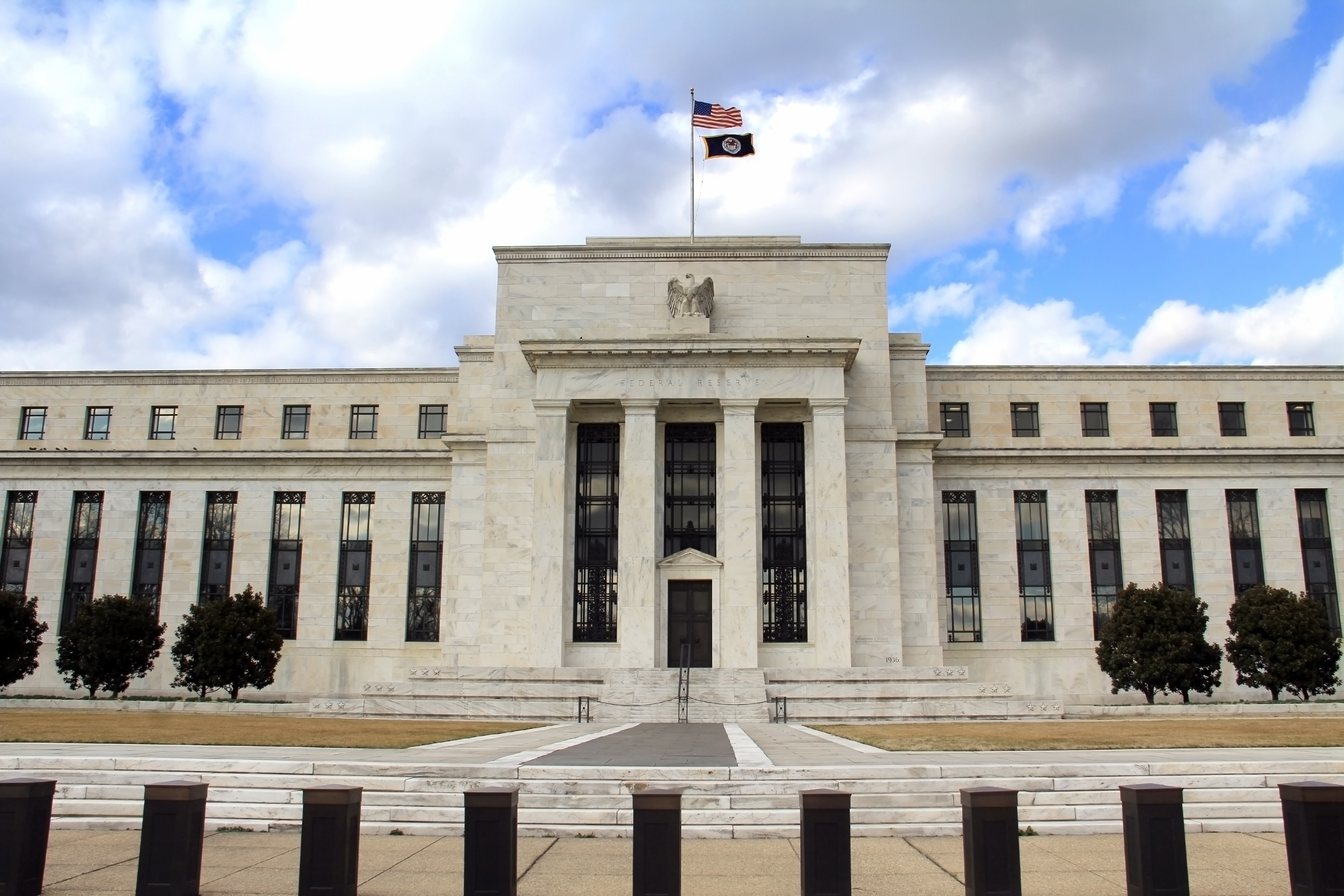
In a notable political development, the administration has announced the nomination of former Federal Reserve President Kevin Warsh (2006-2011) as Powell’s successor. Kevin Warsh historically has been viewed as an inflation hawk, although his stance has softened recently, driven by his belief that accelerating and non-inflationary growth can be brought about by AI and deregulation. However, he is still quite vocal about the Fed’s past shortcomings, and supportive of a reduction in the Fed’s almost $7 Trillion dollar balance sheet. We will be closely tracking his Senate confirmation hearings in coming months.
The Federal Reserve (“Fed”) is on pause – holding the federal funds rate unchanged at 3.50% to 3.75% in its January meeting – the decision reflects a combination of a stabilizing labor market alongside persistently elevated inflation pressures. Notably, the decision included two dissenting votes from Governors Christopher Waller and Stephan Miran.
Fed Chair Jerome Powell acknowledged the duality in the labor market data, with “some signs” of stabilization counterbalanced by continued evidence of cooling. As we have been highlighting in prior notes, however, the labor market remains fundamentally weak despite modest recent improvements in the unemployment rate from 4.6% to 4.4%.
Payroll growth, or the lack of it, is the key measure reflecting this softness. In 2025, total job creation amounted to 585,000, significantly below the prior ten-year average of nearly 2 million jobs created per year. The number of Americas unemployed for 15 weeks or longer has risen to 3.1 million, the highest level since October 2021. At the same time, corporate layoffs continue to mount – in 2026 alone, major companies including Amazon, Citigroup, Dow, and UPS have announced plans for reducing headcount.
On inflation, the Fed reiterated that price pressures remain “somewhat elevated”, with the latest PCE inflation report standing at 2.8%. The price stability side of the Fed mandate must therefore be acknowledged as well, especially given the stronger than expected macroeconomic backdrop, which is somewhat at odds with the labor side of the equation.
Chair Powell emphasized that the Fed will remain data dependent through the remainder of his term, which concludes in May 2026.
Takeaways
Attention now shifts to Kevin Warsh as he seeks to assume the role of Fed Chair in May, although Chair Powell may elect to remain as a governor until 2028. Until the confirmation process concludes, policy direction will remain firmly data dependent. We continue to believe in the underlying value and safety of bonds within client portfolios, but will be closely monitoring the implications of a Warsh-led federal reserve amid this new era of monetary policy.
Miles Toth
Vice President | Portfolio Manager



 My Account